The missing piece in manufacturing’s digital shift
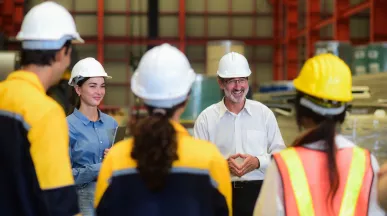
The first time I walked through a manufacturing plant that had just gone digital, the silence surprised me.
The machines blinked with real-time data, sensors tracked temperature and pressure with precision, and everything was working exactly as designed.
And yet, something didn’t feel right. The people’s energy on the floor was missing.
That moment stayed with me because it highlighted something we rarely talk about in digital transformation: while systems evolve quickly, people often need more time to catch up—and more support than we expect.
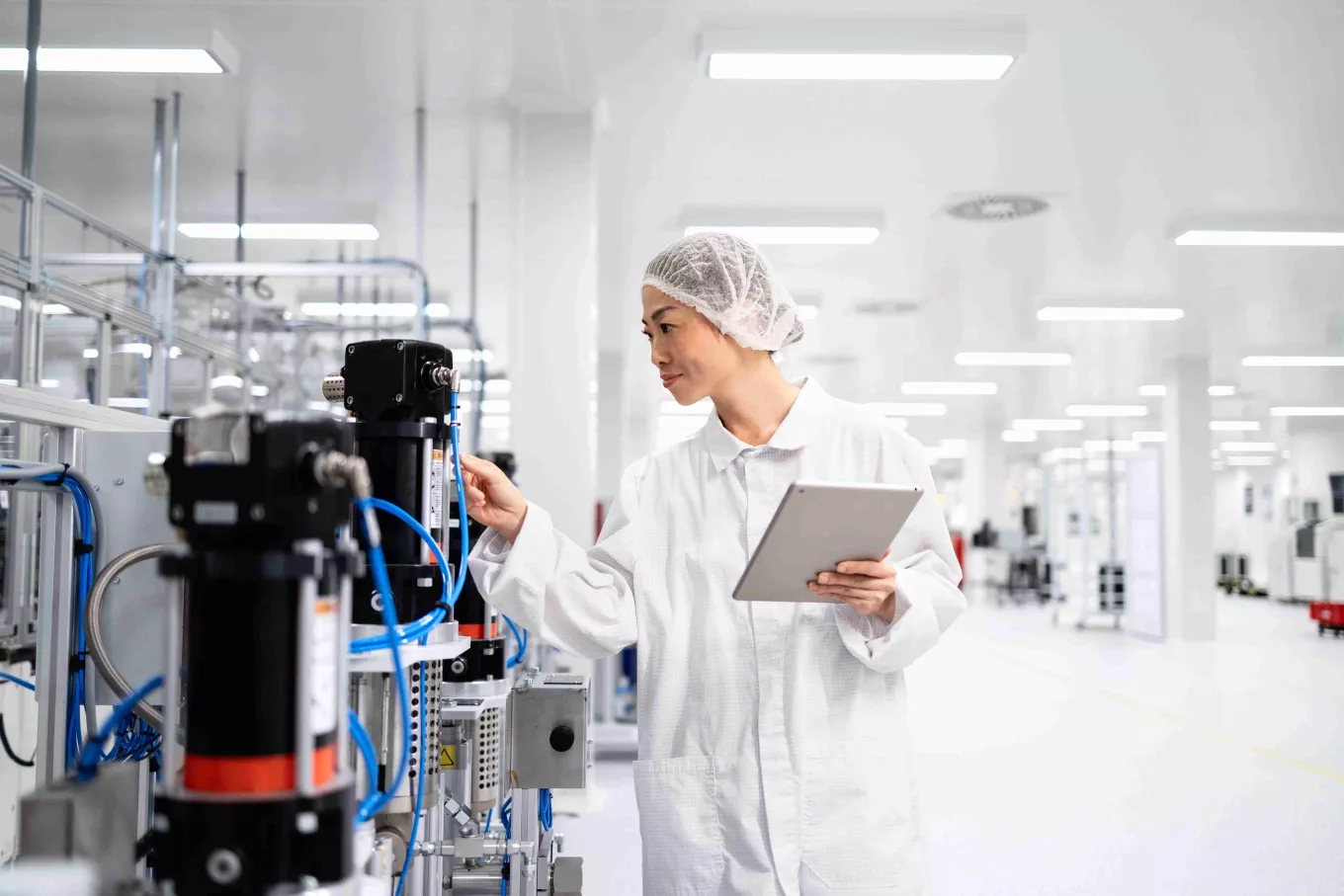
The promise we keep hearing about
We’ve all heard the promises of digitalization in manufacturing from safer operations to higher quality output, to less waste, to lower costs, to stronger margins.
On paper, it sounds like the perfect equation. Add technology, get results.
And to be fair—many manufacturers are seeing real gains. Industrial IoT sensors monitor efficiency and machine health. AI and automation predict maintenance issues before breakdowns happen. Machine learning helps spot quality issues humans might miss.
All smarter, faster, safer. But then reality steps in.
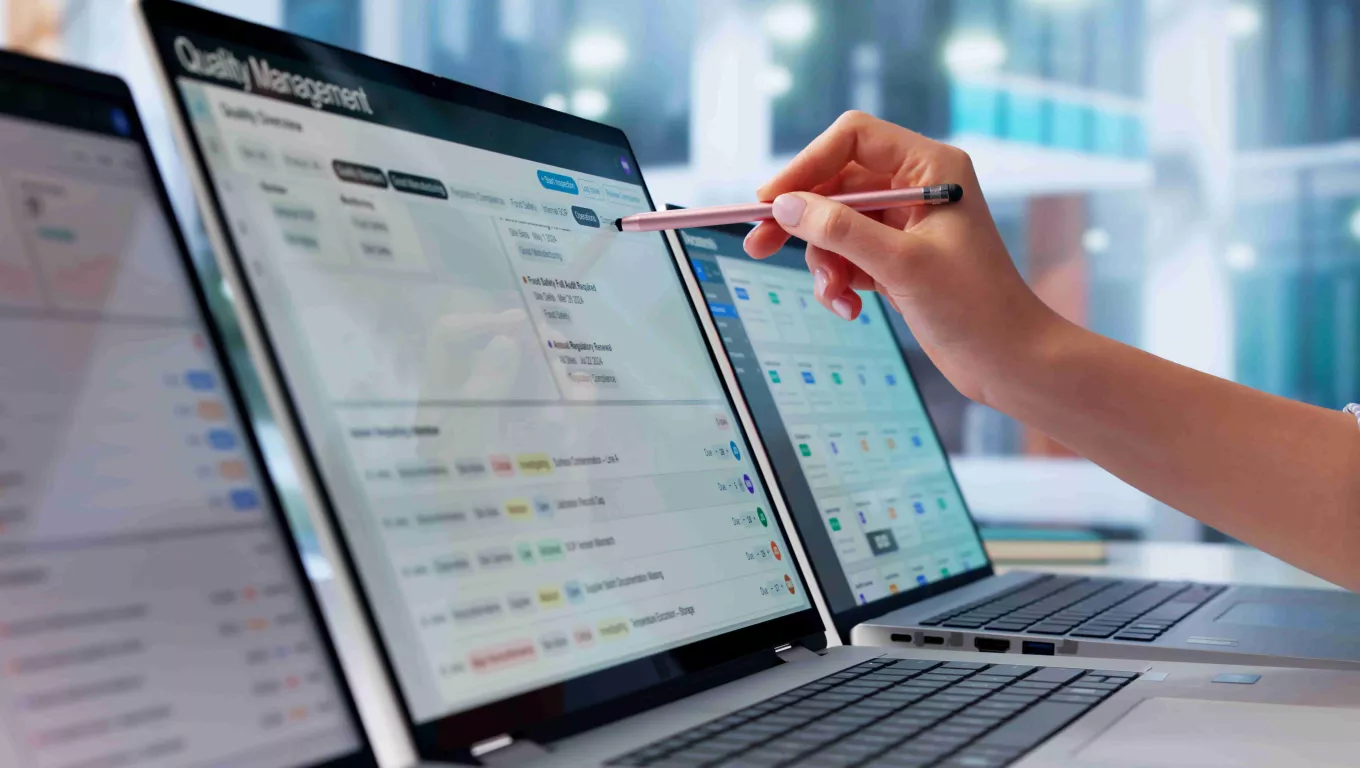
When going digital starts feeling personal
I’ve spoken with plant managers who were excited about new systems—but uneasy about rollout day.
With supervisors worried:
- “Will my team keep up?”
- “What if they resist?”
- “What if productivity dips before it improves?”
And operators quietly thinking:
- “Can I do this?”
- “Will I still be relevant?”
- “Another system to learn—on top of my shift?”
Digital transformation has a funny way of becoming deeply human, very quickly.
Because while there’s no such thing as a one-size-fits-all solution for plants or processes, there’s also no one-size-fits-all way of how people adapt to change.
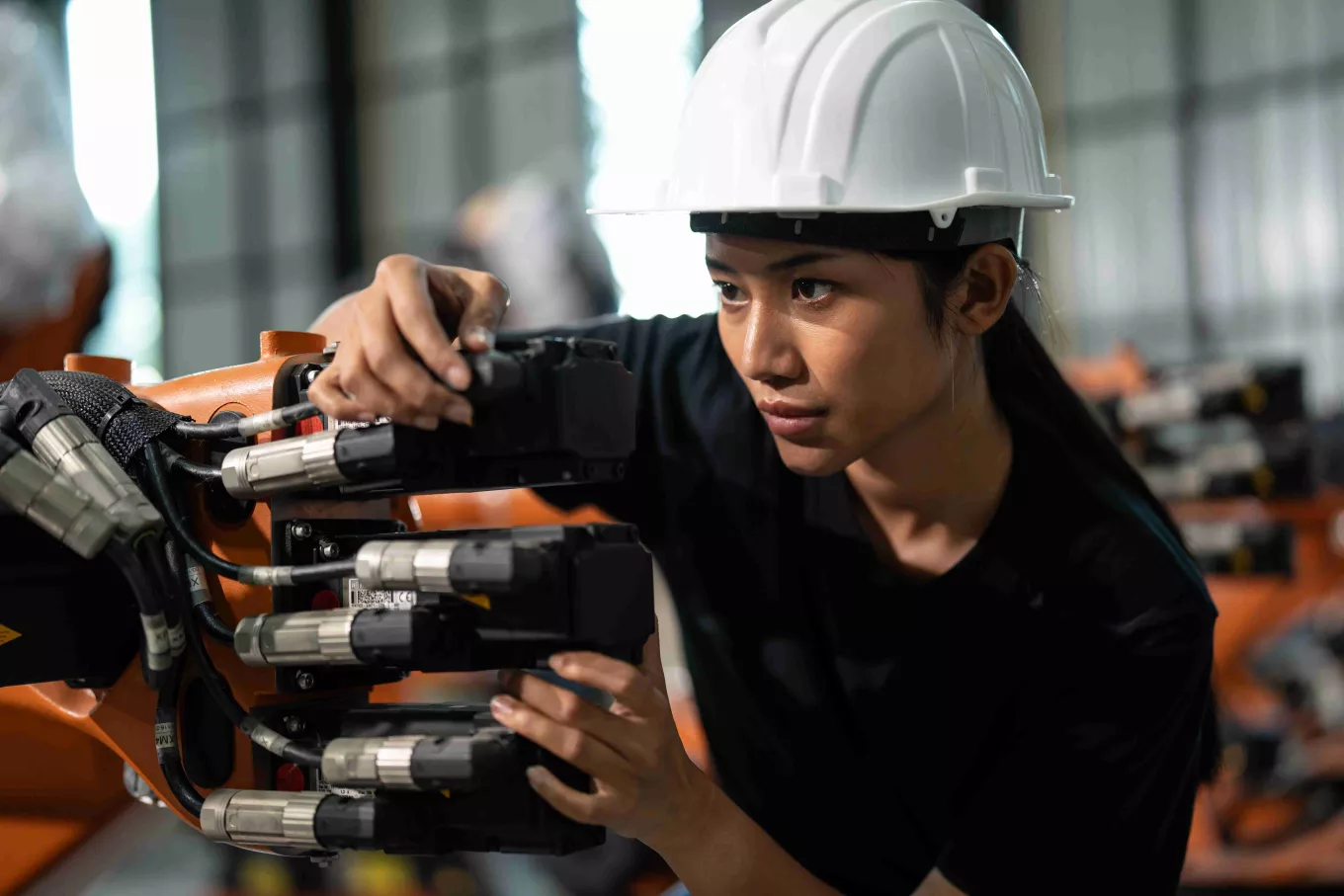
The half of the story we often miss
The truth is: Technology is only half the transformation.
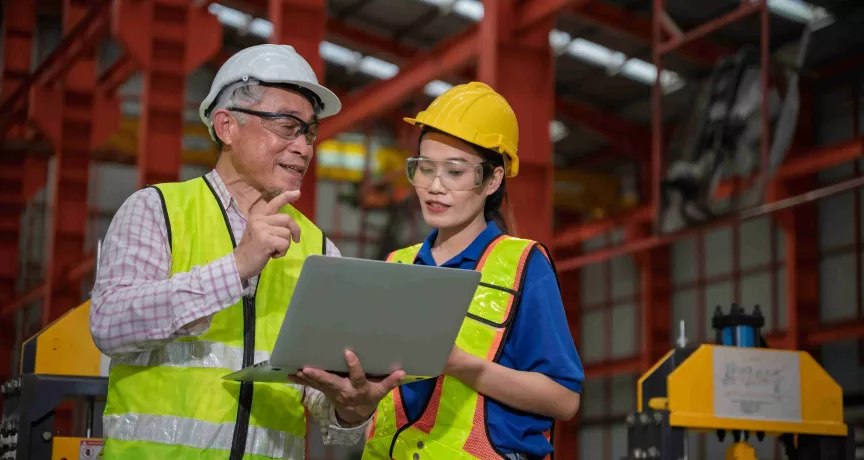
The other half is what happens on the floor, during the shift, in real time—when someone has to trust a new dashboard more than their old monitoring habits. When a technician needs to respond to an alert they’ve never seen before. When a team has to work alongside automation without feeling replaced by it.
Without hands‑on training, just‑in‑time support, or space to learn, pause, and recalibrate, even the smartest systems can slow people down instead of speeding them up.
And precision—ironically—can suffer.
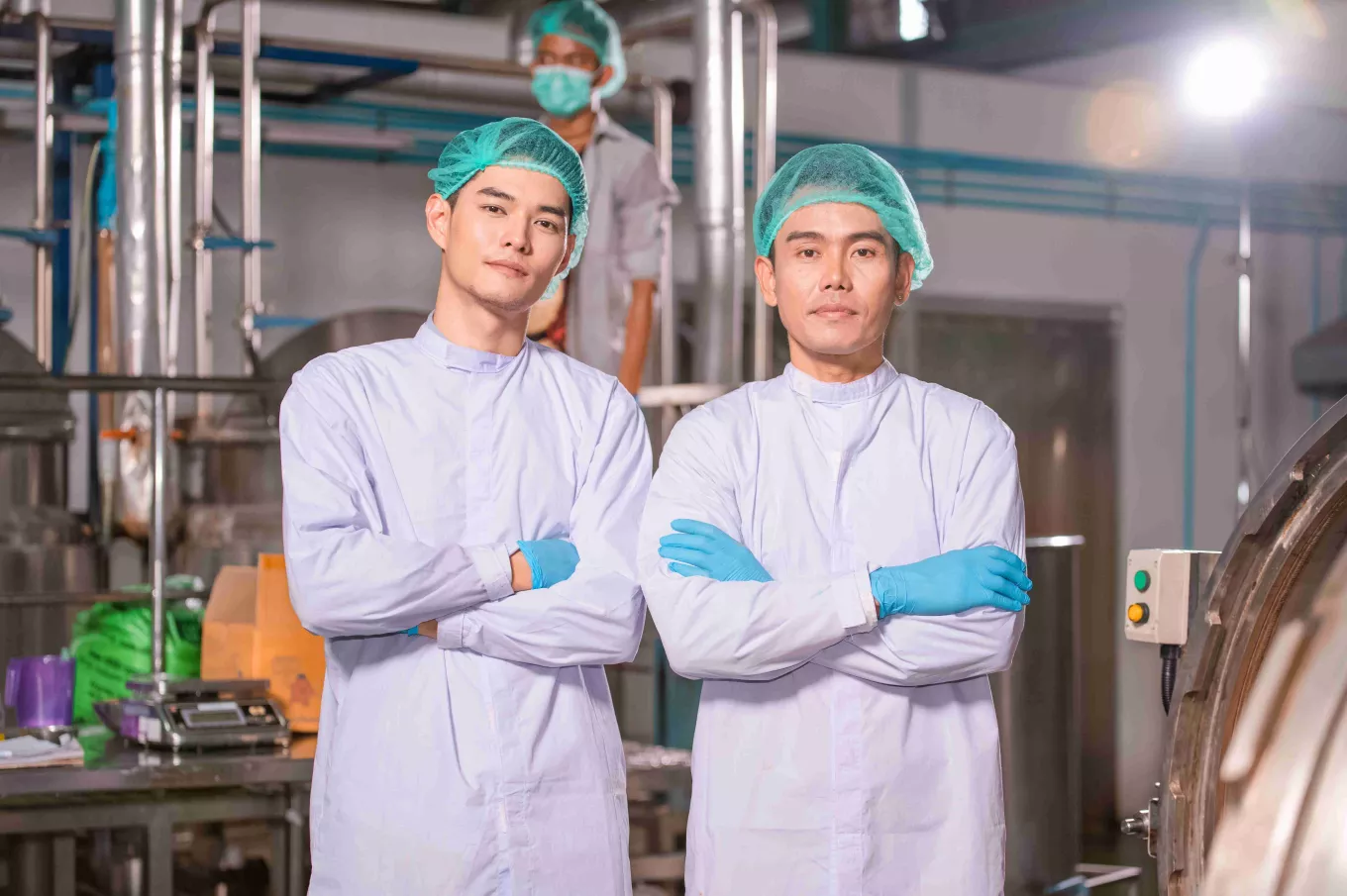
When variety becomes a driver
Here’s something that often surprises leaders.
A global study conducted by Pluxee shows that 36% of employees feel more fulfilled when their roles offer variety—when tasks aren’t painfully repetitive, and learning is part of the job.
This matters in manufacturing more than we think because digital tools naturally introduce variety:
- Monitoring instead of manual checking
- Interpreting data instead of just executing instructions
- Problem‑solving instead of reacting
When people are supported through that shift, something interesting happens. Engagement rises. Confidence grows. Performance follows.
Not because the work is easier, but because it feels more meaningful.
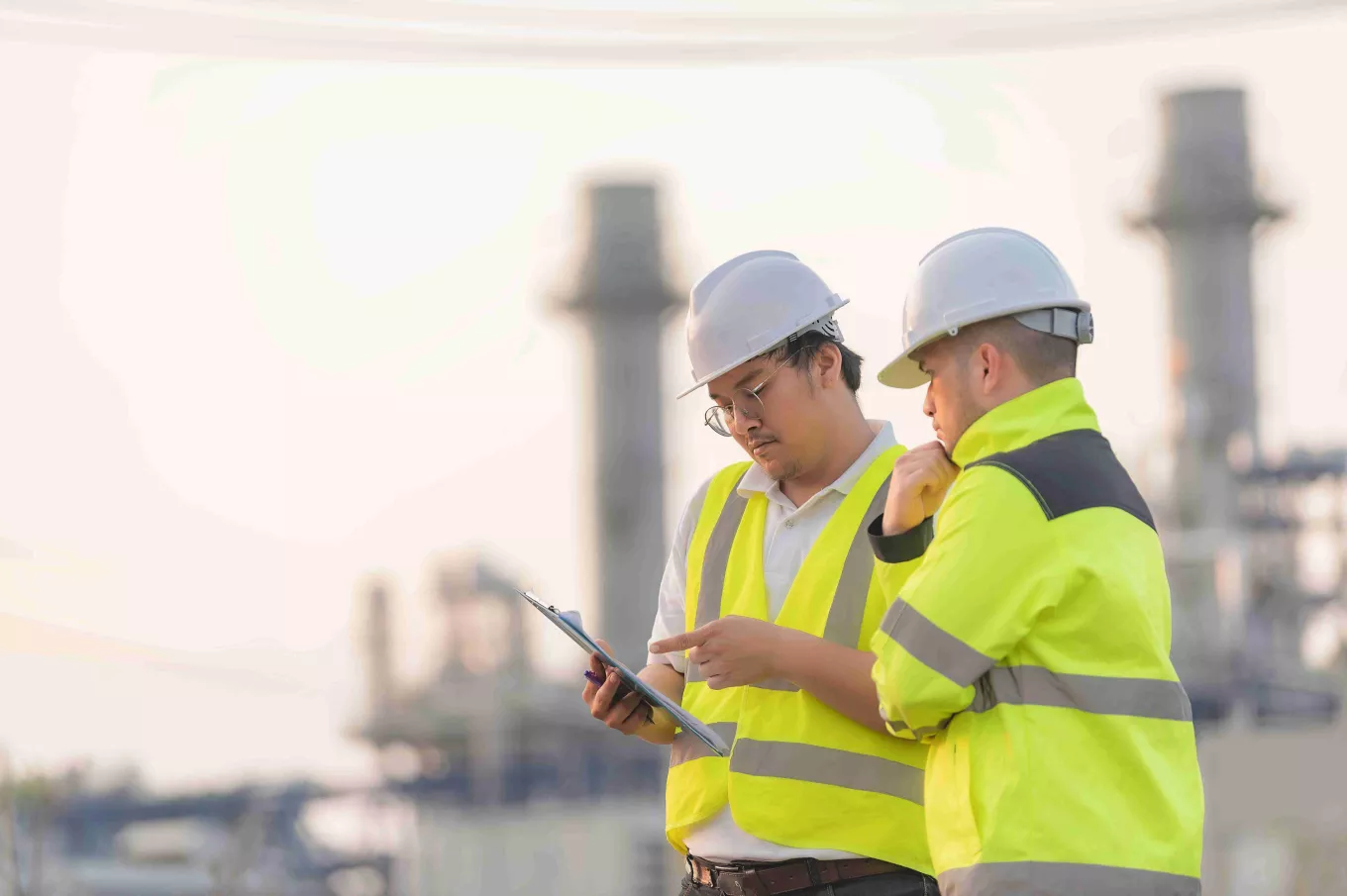
Change-resilience is no longer a buzzword
The manufacturers that stand out today aren’t just the most automated. They’re the most change‑resilient.
They invest in systems and skills.
In machines and mindsets.
In data and dignity.
They ask better questions:
- “How do we train teams while production is running?”
- “How do we support learning without slowing output?”
- “How do we make change feel like progress—not disruption?”
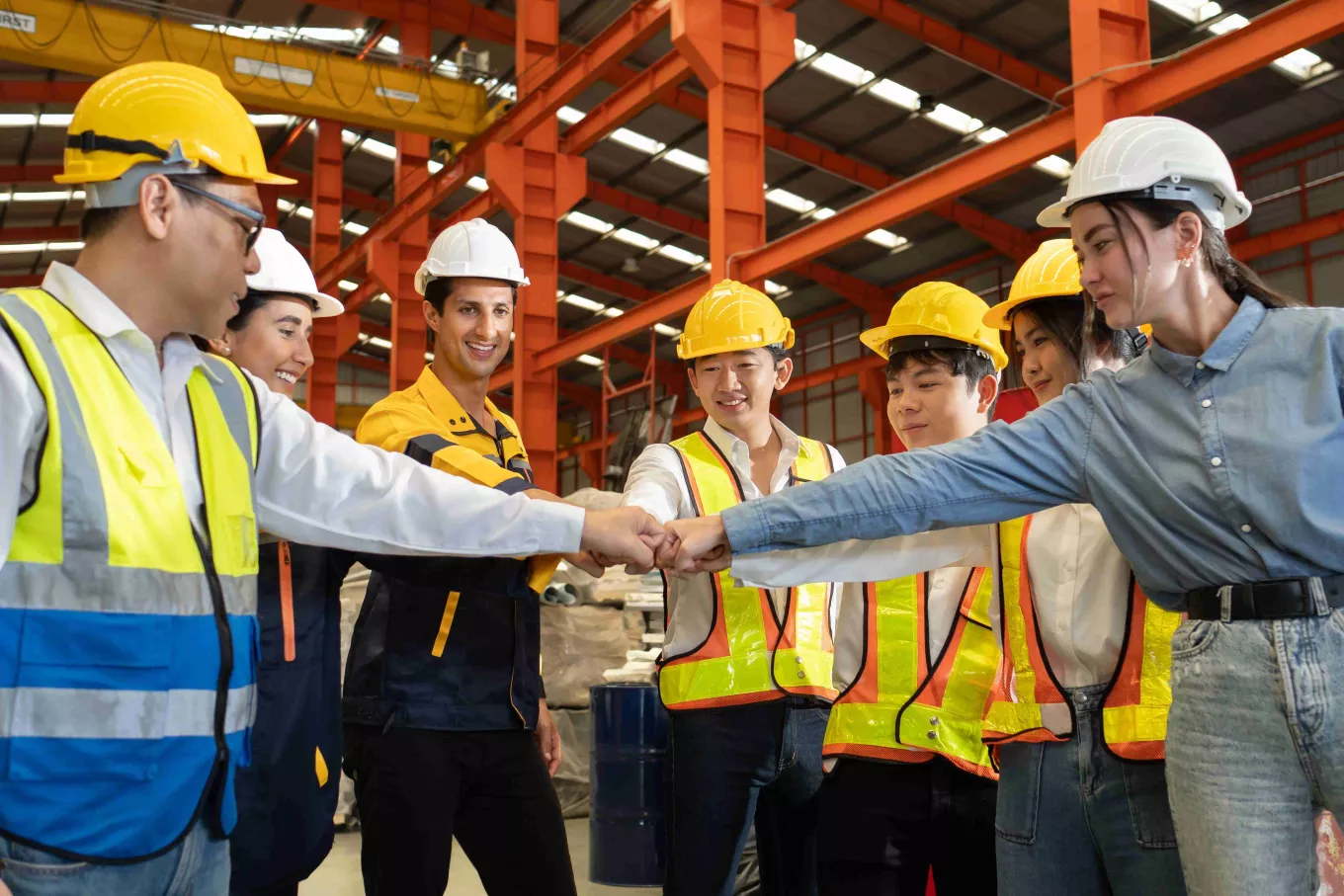
Because when people feel supported, transformation doesn’t feel imposed. It feels shared.
A question worth sitting on
Think about it: Are you designing digital transformation that works for systems—or for the people running them?
Because when your workforce is ready for change, technology doesn’t just improve operations. It future‑proofs them.
And that’s when transformation stops being a project and starts becoming part of how the organization moves forward.
This post was written by Kaycee Gulmatico, Territory Accounts Sales Manager and Manufacturing Pluxee XPert.
Sign up for a free consultation below to explore how thoughtful employee experience and recognition strategies can rebuild morale, strengthen loyalty, and drive change resilience.