Pluxeeventures: Your ultimate guide to discovering the best of Binondo
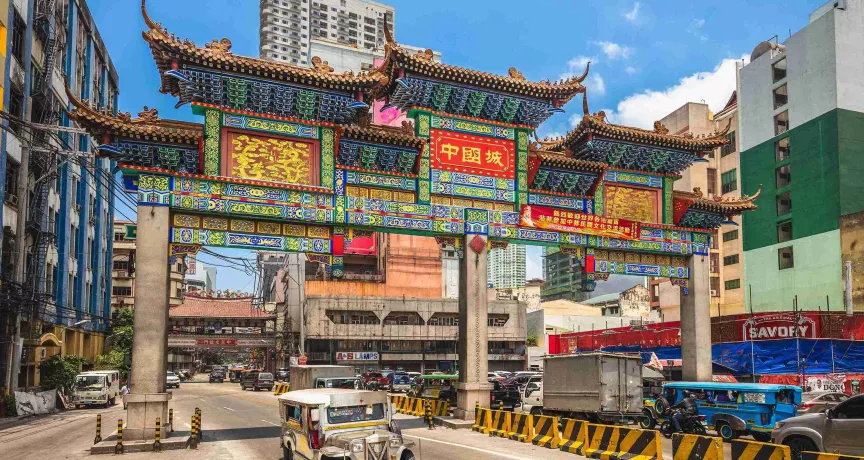
Did you know that Binondo is dubbed as the world’s oldest Chinatown?
Historically, it was originally established in 1594 as Old Manila’s commercial hub where Chinese merchants would trade silk, porcelain, and spices with the Spaniards. Over time, Binondo’s colonial-era buildings have been given a second life as sari-sari stores, tea houses, and modern businesses—a true testament to its evolution.
Where to go in Binondo
Must-visit historical sites
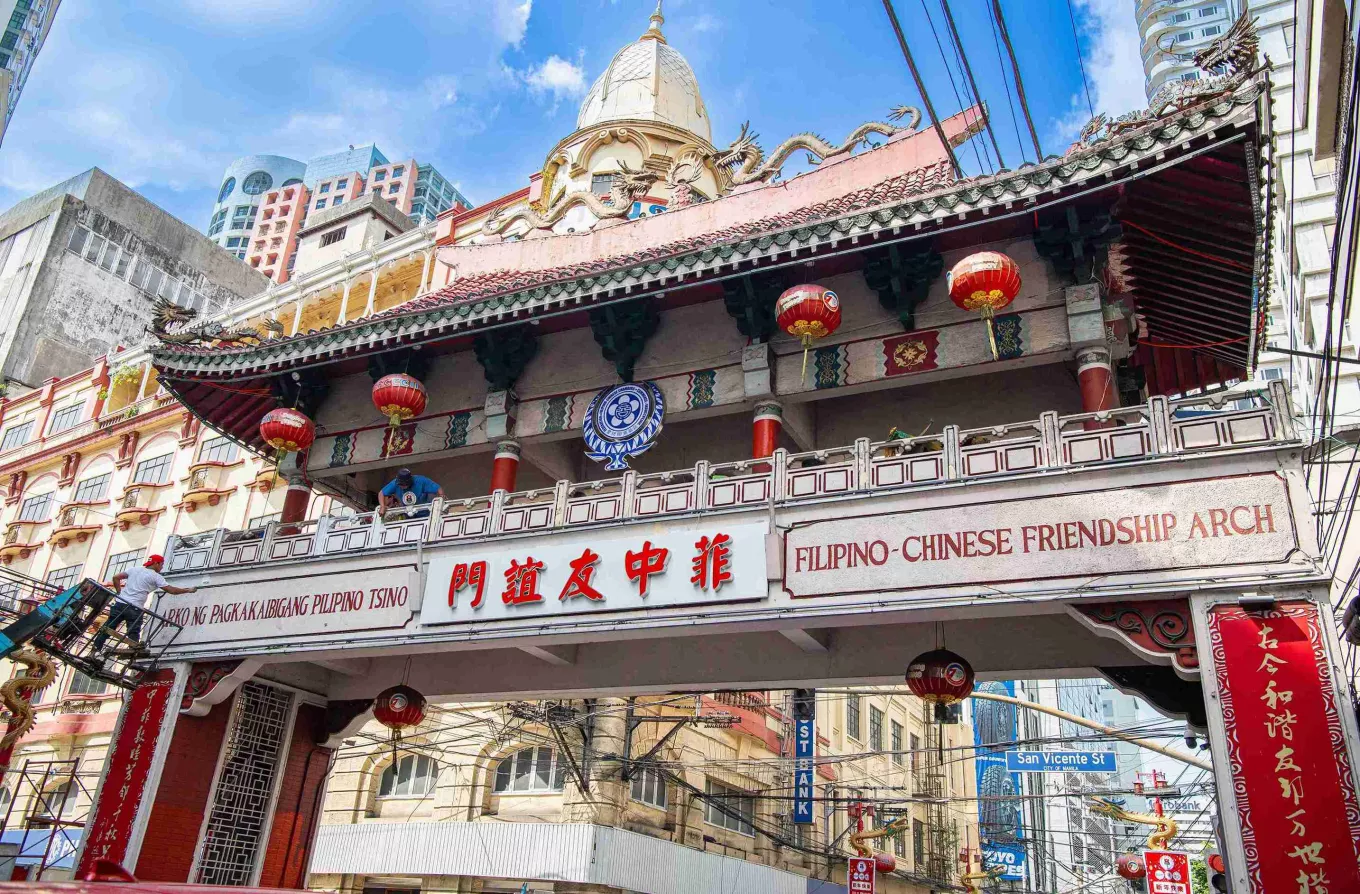
Start with the Filipino-Chinese Friendship Arch, which also serves as your official gateway to Binondo. This structure also symbolizes the longstanding Filipino-Chinese relations that flourished within the community.
Then, make your way to the Binondo Church (a.k.a. the Minor Basilica of St. Lorenzo Ruiz), said to be the birthplace of St. Lorenzo Ruiz—the first Filipino saint. Today, it remains an active parish with masses held in Filipino, English, and Chinese.
Source: esquiremag.ph
Hidden gems
Take time to walk through Binondo’s side streets to stumble upon gems like the pagoda-style architecture of the Seng Guan Temple in Narra Street for a quiet break from the busy streets.
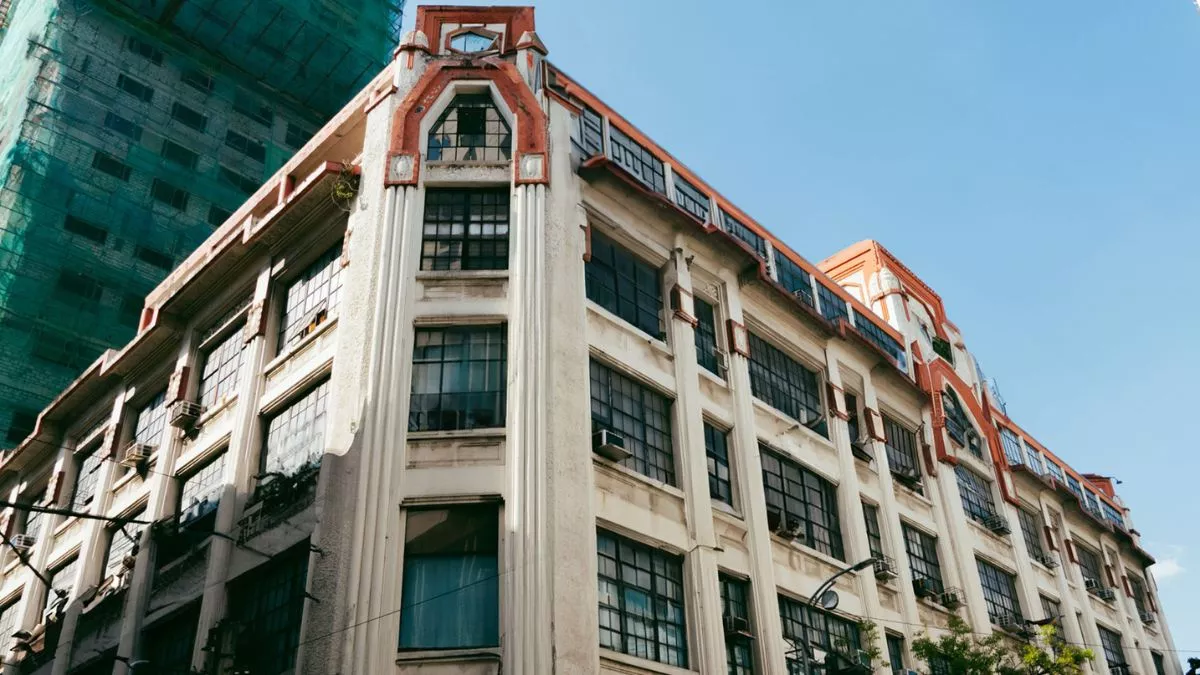
You can also make a quick detour to get your creative juices flowing at The First United Building in Escolta. This art deco landmark is a remnant of Manila’s “Wall Street” era, which now houses creative studios, small galleries, heritage shops, and even a café.
Unique experiences in Binondo
You can take immersive walking tours around Escolta and Jones Bridge for tales behind its heritage architecture. History buffs can also make a stop at Chinatown Museum to know more about Binondo’s 400+ years of colorful history.
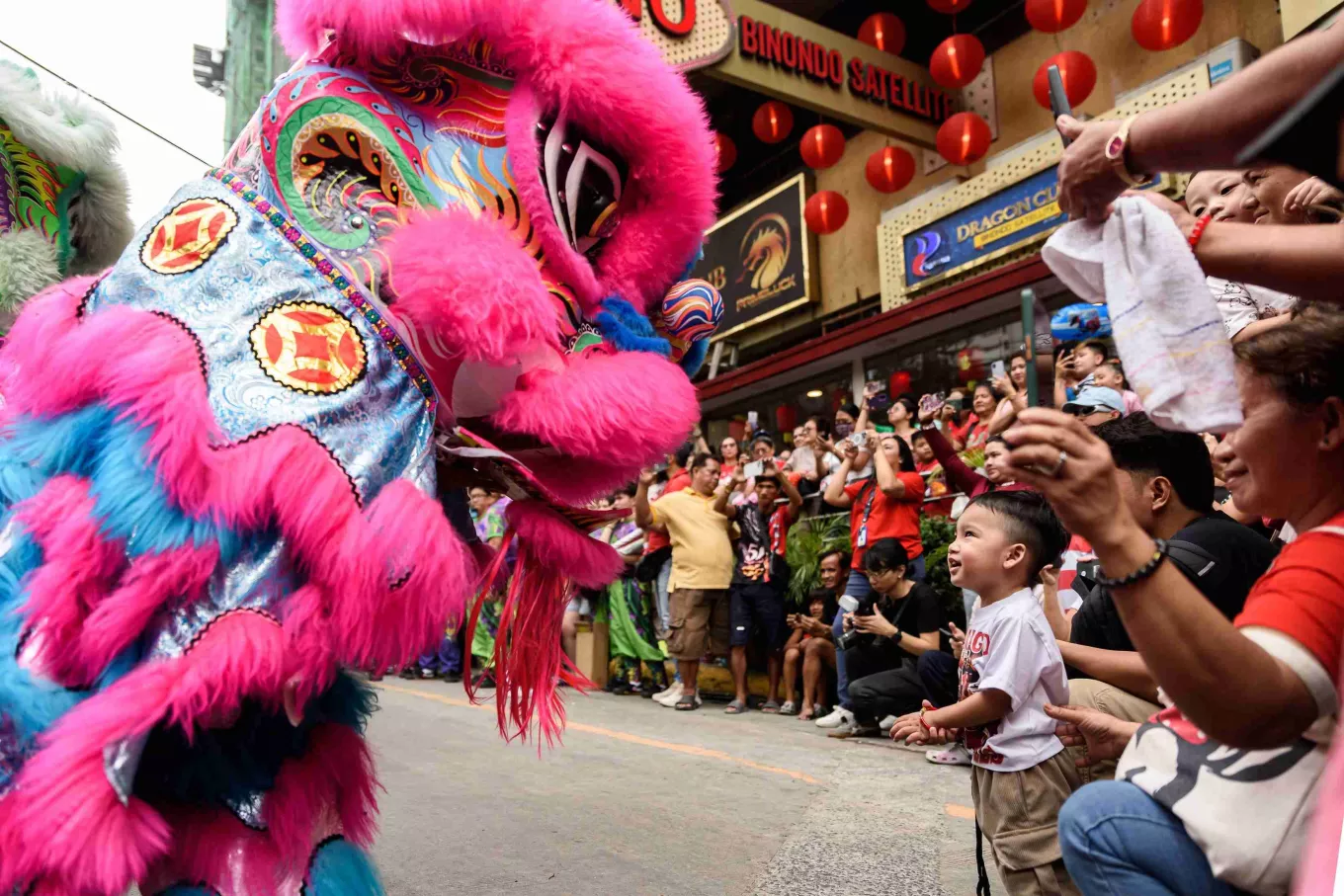
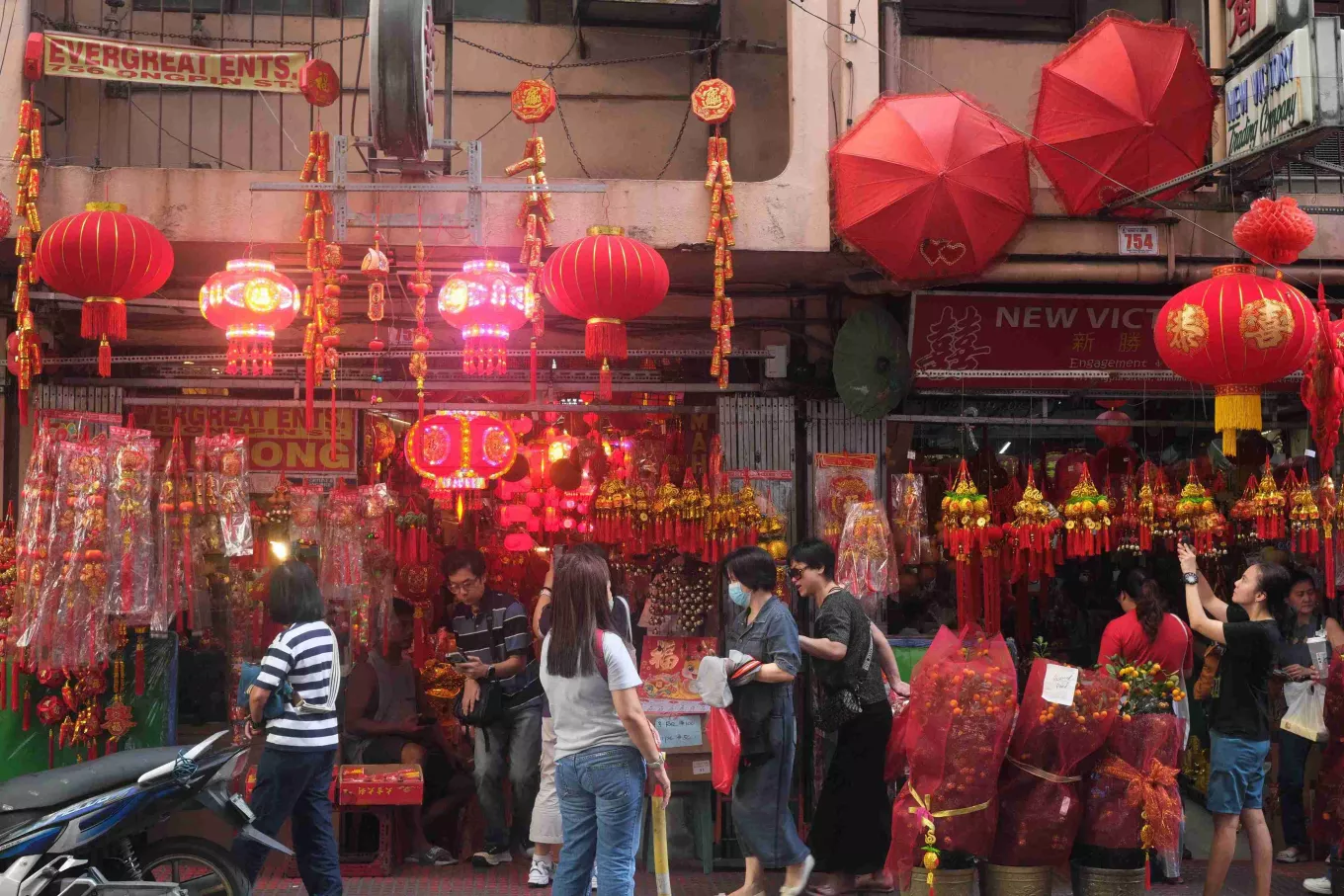
Get a taste of culture with visits to traditional tea houses at Ongpin Street or go on a hopia factory tour at Ho-Land. Watch the city come to life for Lunar New Year festivities month-long from dragon dances, festive fireworks displays, and public temple rituals.
Source: pepper.ph
Where to eat in Binondo
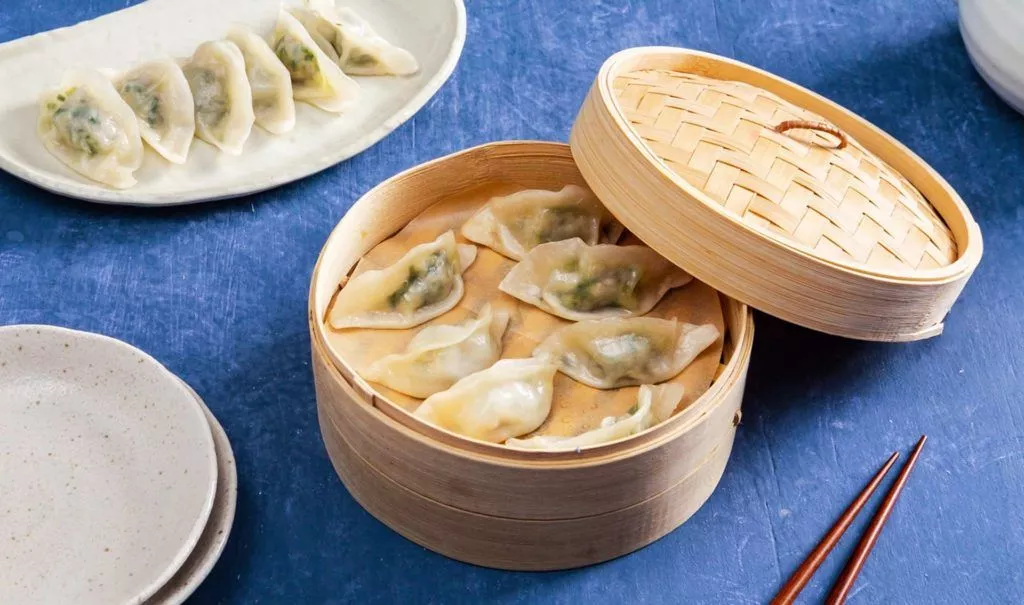
A trip to Binondo is not complete without a food crawl. Known as a quintessential food haven, you’ll surely want to go back to these institutions for a second visit. Grab a bite of New Po Heng’s fresh lumpia or get your fill of authentic handmade dumplings at Dong Bei.
A warm bowl of mami awaits at Masuki, which became a household eatery since its heyday in the 1930s. Meanwhile, To Ha Panciteria Antigua’s Pancit Canton is a nostalgic favorite, dating back to the 1880s.
If you’re looking for something more modern, head over to the Great Buddha Café to dine beside a giant Buddha statue while enjoying Chinese comfort food.
What to get for pasalubong in Binondo
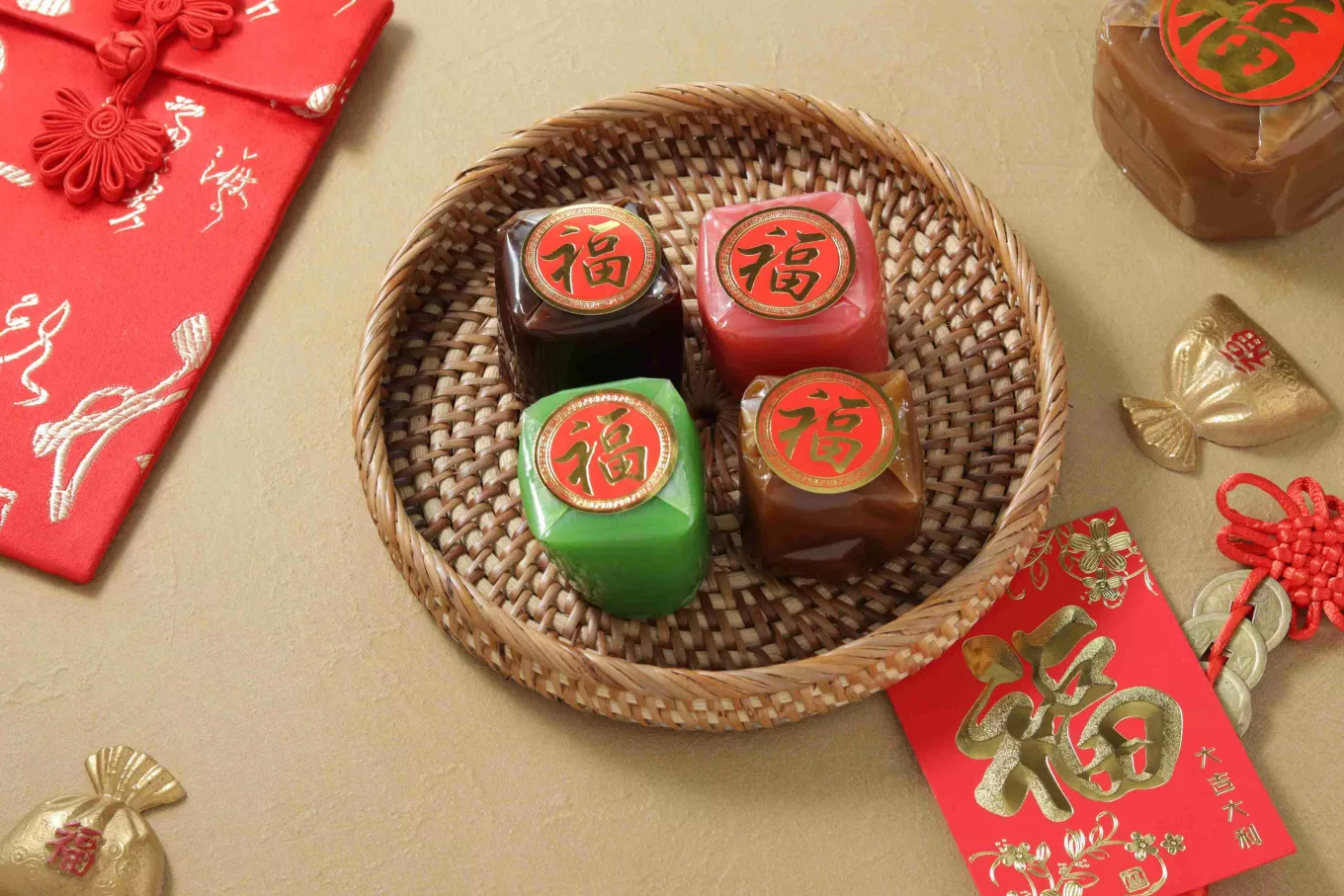
Most pasalubong finds can be found in Ongpin, where Chinese delicacies, candies, preserved fruits, and lucky charms or trinkets (i.e. Feng Shui items, jade bracelets, ang paos, etc.) are go-to picks.
For tikoy, hopia, and mooncakes, Eng Bee Tin is the place to be.
Pro-tip: Visit the area for Lunar New Year celebrations where you can enjoy special edition delicacies only available during the holiday.
Where to use Pluxee Gifts in Binondo
Lucky Chinatown Mall is located a stone’s throw away from the area’s go-to landmarks, making it a great ending point for a full day trip.
What’s more? You can use your Pluxee Gifts at our partner merchants.
- Health and beauty: After a full day of exploring, give yourself the pampering you deserve with a hair fix at Bench Fix Salon, Bruno’s Barbers, or Bee Choo.
- Shopping finds: Drop by Bench, Cotton On, BratPack, HydroFlask, or The Travel Club to update your wardrobe, accessories, and essentials in this year’s lucky colors.
Pro-tip: Check out our newly onboarded merchant Fair N Square for marked down appliances at prices you’ll love. (Fun fact: Binondo is the first appliance retailer’s branch established in 1983).
Let your Pluxeeventures begin in Binondo
Today, Binondo may be known as a weekend food crawl destination, but its essence runs deeper. It stands as a living archive of Manila’s multicultural past where trade, faith, and food have long intersected.
So, the next time you wander its streets, savor its flavors, and soak in its stories—remember you’re not just visiting a place, you’re stepping into a legacy that continues to shape Manila’s soul.
Follow us on Facebook to see more of Pluxee Philippines' Pluxeeventures series as we share tips and must-see locations across the Philippines.


Related articles