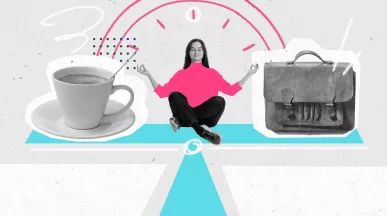
Beyond hybrid work: How work-life harmony is reshaping employee experience

For years, the conversation around attracting talent seemed straightforward: offer a competitive salary, throw in a few good benefits, and the right people would come.
To some extent, that's still true.
Compensation continues to be one of the top drivers of employer attractiveness. But if the last few years have taught us anything, it's that employees are evaluating work through a much wider lens than before. They're not just asking, "What will I earn?" They're also asking, "How will this fit into the life I want to build?"
This shift isn't about employees caring less about work. It's about caring just as deeply about everything else, too.
And that's where a new workplace reality is emerging Hybrid 2.0.

Beyond office versus home
When hybrid work first entered the mainstream, especially after the COVID-19 pandemic, many organizations treated it as a logistical question.
- How many days should employees come to the office?
- Which roles can work remotely?
- What collaboration tools are needed?
But today, the conversation has evolved.
Hybrid 2.0 is no longer just about where work happens. It's about how work fits into a person's overall life experience. It's less focused on location and more focused on harmony.
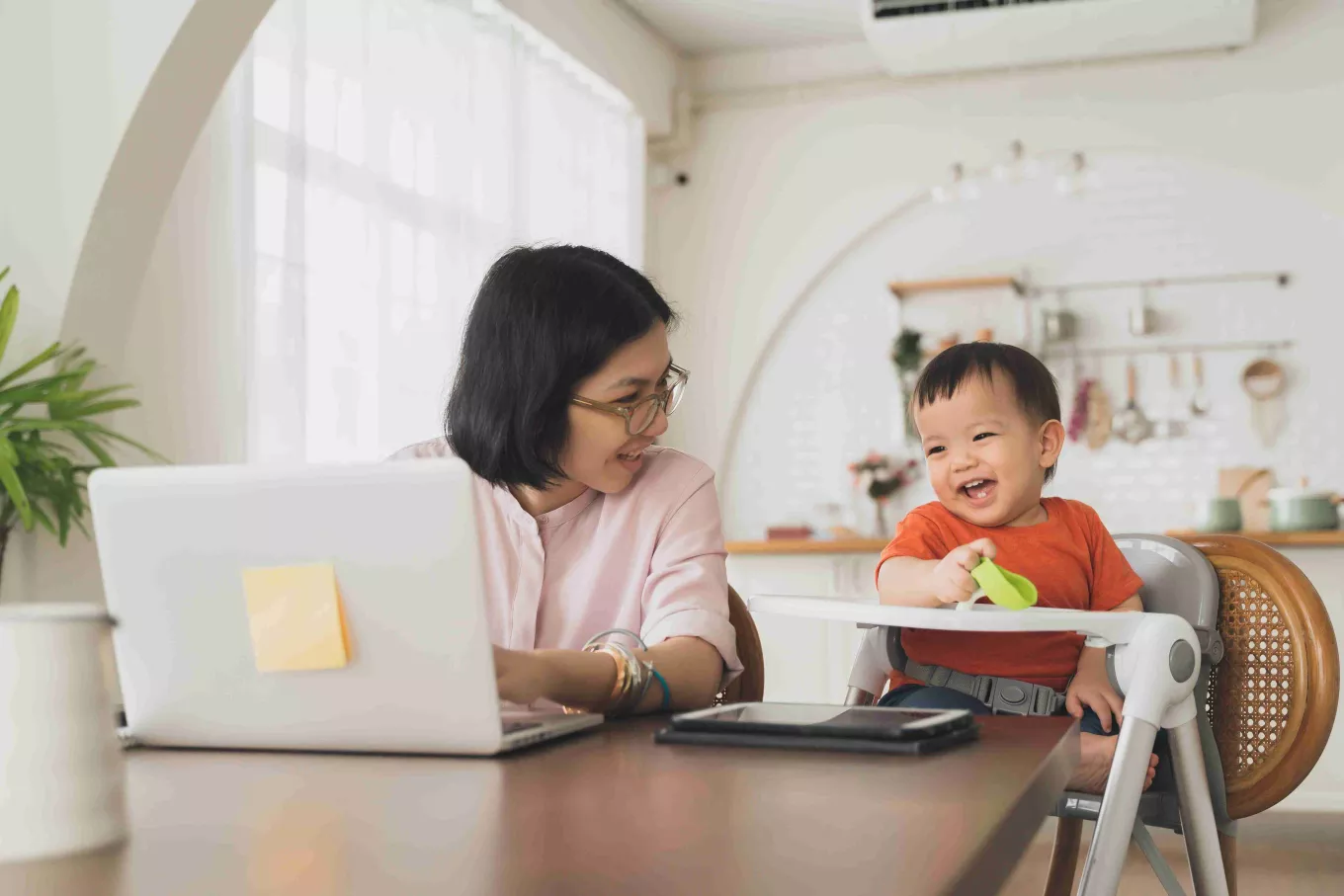
Employees are looking for workplaces that support their personal goals rather than compete with them. Whether it's spending more time with family, pursuing passions outside work, taking care of their health, or simply protecting time for what matters most, people want work to coexist with life—not dominate it.
The companies that understand this are discovering something important: Flexibility isn't merely an HR policy. It's an employee experience strategy.

The rise of "measured engagement"
One of the most interesting findings from Pluxee's global New Rules of Engagement study is that employees worldwide are redefining what commitment looks like. The research found that employees increasingly want to use their time purposefully, with 37% saying they want more moments with their loved ones.
This doesn't signal disengagement.
In fact, the opposite may be true.
Employees still want to perform meaningful work. They still want to contribute, grow, and make an impact. What has changed is their willingness to sacrifice other important parts of life to do so.
Work is no longer the center of life for many employees. Instead, it has become one element of a broader equation that includes family, community, wellbeing, and personal fulfillment. This shift represents a form of engagement that is intentional rather than all-consuming.
Employees aren't stepping back from work. They're seeking healthier ways to step into it.

Why traditional perks are no longer enough
Organizations have historically relied on a familiar set of engagement levers like compensation, bonuses, promotions, and office amenities
While these remain important, they are increasingly viewed as expectations rather than differentiators these days. Today’s employees are looking for signs that their employer genuinely understands the realities of modern life.
- Can they access benefits that support their unique needs?
- Do they feel trusted in managing their responsibilities?
- Can they pursue career growth without compromising wellbeing?
- Do workplace policies acknowledge that employees are also parents, caregivers, partners, volunteers, and individuals?
These questions are becoming just as influential as salary conversations.
The message is clear: employees want support that reflects the complexity of their lives.
From flexibility to life-fit
Many organizations have already introduced flexible work arrangements. The next challenge is ensuring that flexibility translates into meaningful employee value. That starts with moving beyond one-size-fits-all approaches.
- A young professional navigating long commutes may value transportation support
- A new parent might prioritize healthcare and family-focused benefits.
- Another employee could be looking for wellness programs that help them stay physically and mentally healthy.
The principle remains the same: the best employee experiences are designed around real human needs.
When organizations align support mechanisms with what matters most to employees, benefits stop feeling transactional and start feeling transformative.

Human-centric workplaces create stronger business outcomes
It's easy to view employee experience as a people initiative. But increasingly, it has become a business imperative.
When employees feel supported, they bring more focus, energy, and emotional commitment to their work. They collaborate better. They adapt more effectively during change. They are more likely to stay.
And perhaps most importantly, they become advocates for the organization itself.
This is why leading companies are moving beyond simply offering benefits. They're creating ecosystems of support that acknowledge employees as whole people.
Rather than asking employees to choose between professional success and personal fulfillment, they're building environments where both can coexist.

The future belongs to organizations that make life work better
The future of work isn't about deciding whether employees should be in the office three days a week or five.
It's about recognizing a deeper truth: people want work to contribute positively to the lives they are building.
Organizations that embrace hybrid 2.0 understand that flexibility is only the starting point. What truly matters is helping employees create harmony between work and life—through meaningful benefits, thoughtful policies, and experiences that support what matters most.
Because when work aligns with life instead of competing with it, employees don't just show up.
They thrive.
And when employees thrive, organizations do too.
This post was written by Margarette Perez, Accounts Manager and Employee Pluxee XPert.
Sign up for a free consultation below to explore how thoughtful employee experience and recognition strategies can help navigate hybrid 2.0.